
Practice Pains
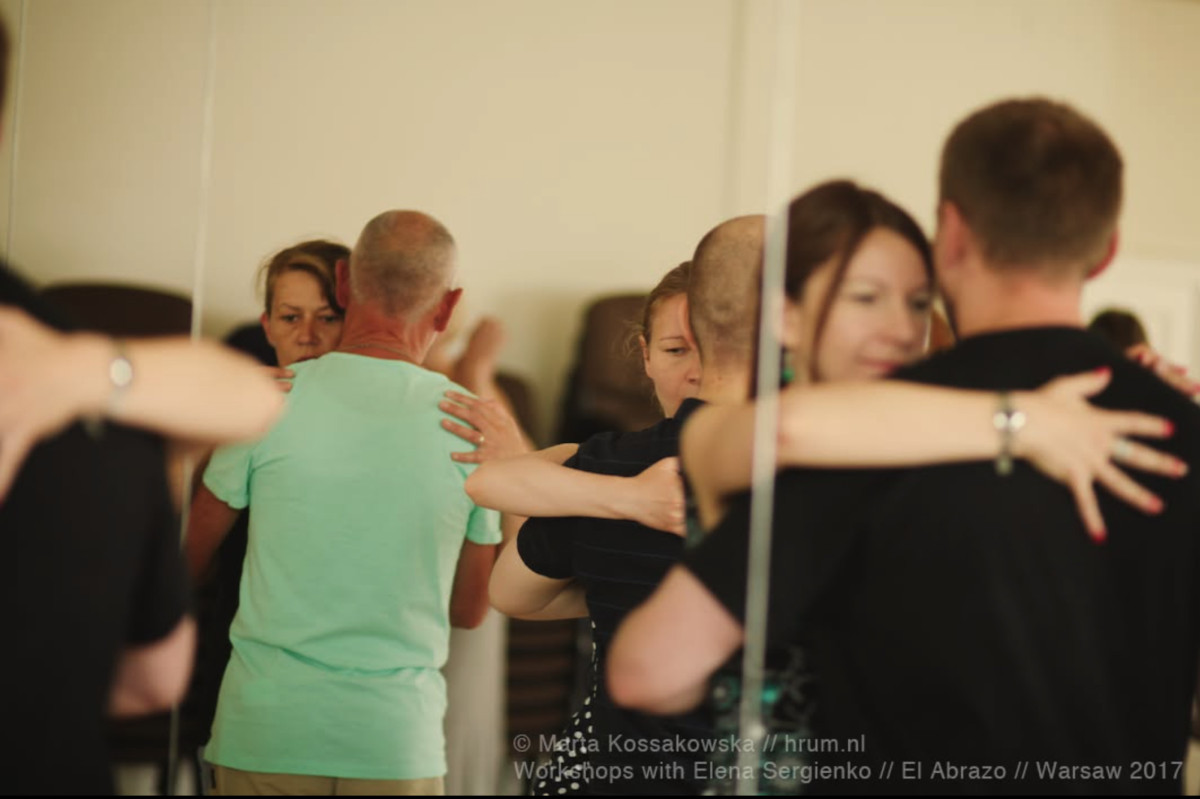
“Don’t comment on my steps while we’re in a sequence! I get completely distracted!” My wife and I are practicing, and something doesn’t quite work. “I’m sorry, but how to explain to you what I mean if we wait until the tango is over?” “I can only absorb so much at a time,” she says, “I’m working on posture, core, rolling off my foot…” Our learning styles differ. I do trial-and-error. She needs to understand move after move. “Okay, okay. When you have time to deal with your axis, let me know.” “I will, right after you finally manage to straighten your back.” I wisely choose not to mention the two other details that bother me. I can be a bit of a micromanager on tango, I know. The practice session does not end well. We drive home in silence.
Does this scene resonate with you? Tango dancers find out the hard way that practicing can be challenging. Two beginners trying to learn tango together is like two toddlers teaching each other French. A more experienced dance couple may end up in a freestyle wrestling contest. But the most challenging practice session by far may be with your life partner, someone you love dearly. You can cross a minefield of old resentments just trying to fix an ocho cortado. This insight made me wonder about the wisdom of introducing my inexperienced junior family members and their partners to tango.
“You begin by saying you love each other,” I instruct my son and his girlfriend at the beginning of a practice session, knowing what I know. “Then, when you’re finished, you say it again.” They follow my instructions with a smile, but the ‘I-love-you’s’ at the end come out slightly tense. I feel mildly guilty for having seduced them into tango. “Never say the other person does something wrong,” I add, “and never even suggest a disconnect is blamed on them. Tell them what you need for a move to work better. That you don’t know what that is exactly, but that you can find out together. Acknowledge them for moves that work well. Actually, praise them for anything that goes well. You practice better with someone who feels good about themselves.” My advice did not prevent our son from asking his partner to ‘perhaps pay attention to the music’. Which sounds like a helpful suggestion except maybe not when your partner is a trained concert pianist finishing a PhD in musicology.
I’ve heard too many Esther Perel podcasts to think couples are fighting about a botched back sacada, an out-of-control giro, or a stiff arm when practicing tango. It’s all about respect, appreciation, or identity. Anything lurking beneath the surface of the relationship is likely to erupt between people who after all didn’t pick each other for their dance skills, learning style, physical fitness, or musicality. “That’s why it’s so much better to practice with someone you’re not involved with romantically,” one of my practice partners reasons. “You can express anything you want and get better results.” “Depends on what results you’re after, I guess? My wife and I have learned a lot practicing tango. By the way, your torsion on that overturned backsacada sucks terribly. Can we do that a few more times?”